The winter garden
The Winter Garden
A field course on the autumn planting season: growing through the cold months, filling your beds and your pantry, and going into winter prepared.
September 4 – November 13, 2026 · Tabuá, Central Portugal
Most people think of autumn as the end of the growing year.
On a Mediterranean farm, it is the beginning. The rains return, the heat breaks, and the beds you plant now will feed you all winter long.
The quiet season is the decisive one.
The Winter Garden is a field course about that season: what to sow in September so you are harvesting in January, how to protect and maintain through the cold, and how to store what the beds give you. One autumn is enough to change how you eat all year.
How it works
One session per week, each in the field at the moment its subject comes alive.
September 4 – November 13, 2026. Nine Fridays through the turning of the season.
Five and a half hours in the field, hands in the soil, at every session.
A small group, so everyone works the beds and everyone's questions get answered.
Grow through
the cold
Growing food does not stop when summer ends. In central Portugal, autumn is when the garden comes back to life: the soil is warm, the rain returns, and the right crops planted now will carry you through to spring.
The Winter Garden is a hands-on field course focused entirely on this season. We plan the beds, prepare the soil, sow the crops that thrive in the cold, protect and maintain them through winter, and store what we harvest. Preservation is woven in, but the heart of this course is the living garden, not the kitchen.
By November your beds are full, your storage is stocked, and the year ahead is already growing.
What makes it different
The season nobody teaches
Most growing courses cover the spring-to-summer rush. This one is about the autumn planting window and the winter garden, the quiet, decisive season that most people miss entirely.
In the field, in real time
Every session happens outdoors at the exact moment its subject comes alive on the farm. You learn it here, then go home and do it on your own land at the right time.
From bed to pantry
We follow the whole arc: planning, sowing, growing, protecting, harvesting, and storing. You leave knowing not just how to grow winter food, but how to keep it.
Beyond the nine sessions, you are warmly invited to join us for the seasonal work days on the farm, including the olive harvest and the trip to the mill. These are open invitations, not obligations. Come when you can, work alongside us, and see the season up close.
One autumn.
A full winter garden.
.jpg?1779538553)
We begin where every good season begins: with a plan. What can you actually grow through a Portuguese winter, and when does each crop need to go in? We map the autumn planting window, look at what to plant now to harvest before the cold, what will grow slowly through winter, and what overwinters to be picked in spring. You leave with a planting plan shaped to your own land.
We map three groups: crops to harvest before winter, crops to harvest through winter, and crops that overwinter for spring.
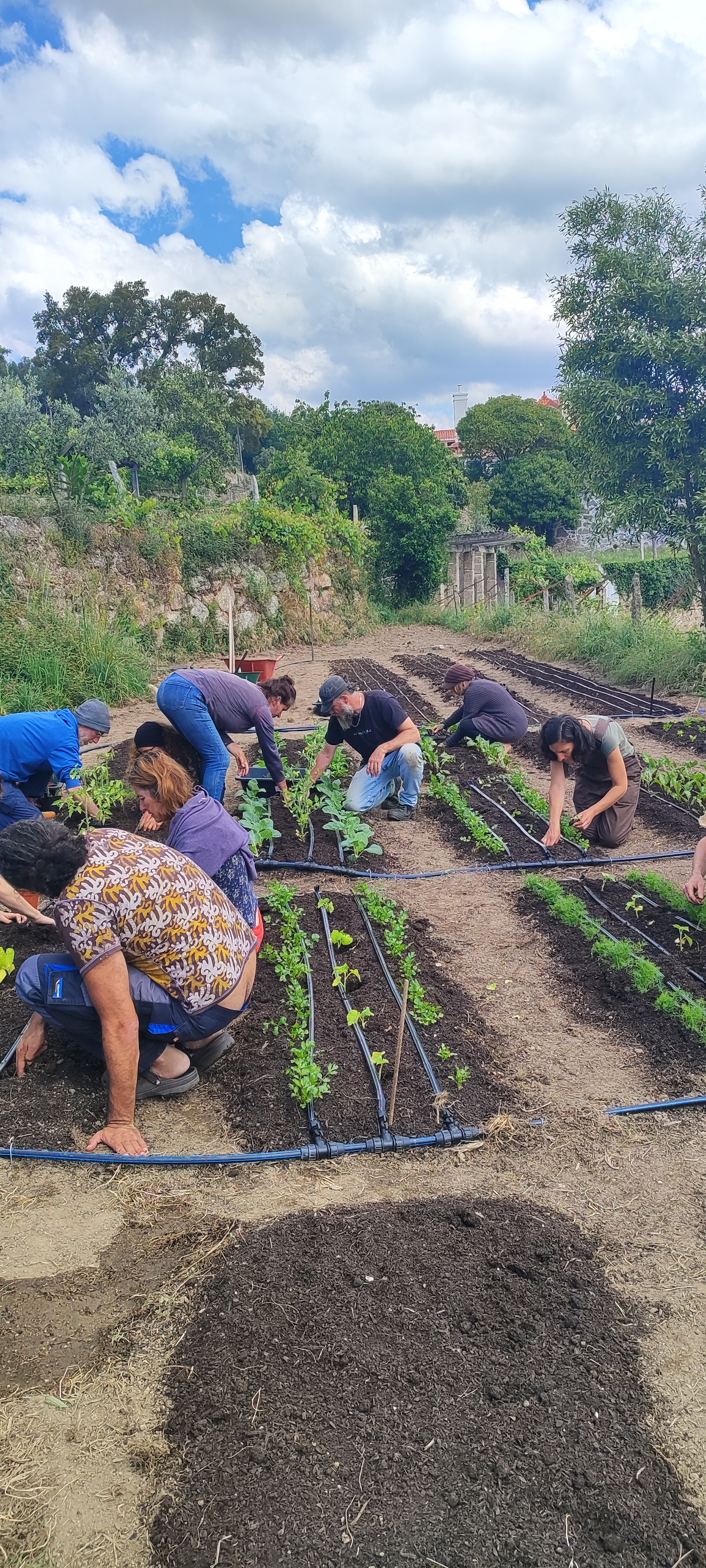
The heart of the course. We prepare beds for the autumn planting and get crops in the ground together: direct seeding, transplanting, and the spacing and timing that make the difference between a full winter bed and a disappointment. We work with the crops that need to be planted now to mature before the cold slows everything down.
Planting to harvest before winter: beets, carrots, turnips, cabbage, potatoes, parsley root, onions.
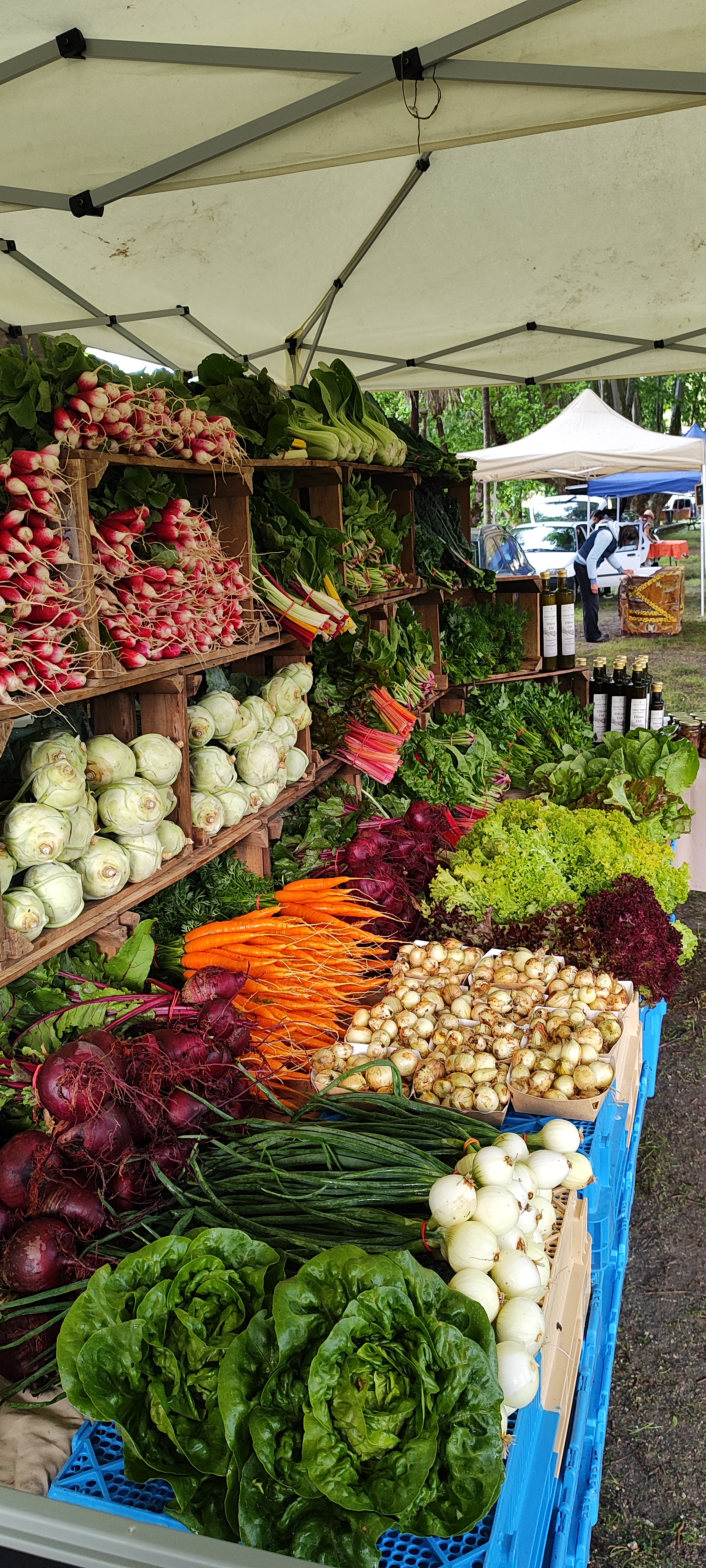
The last of the summer abundance is still with us, and none of it should go to waste. Roni leads a session on natural preserving of the summer harvest: figs, tomatoes, peppers, stone fruits and whatever else the land gives us. We learn to use salt, oil, and heat to capture the warm season in a jar and carry it into winter.
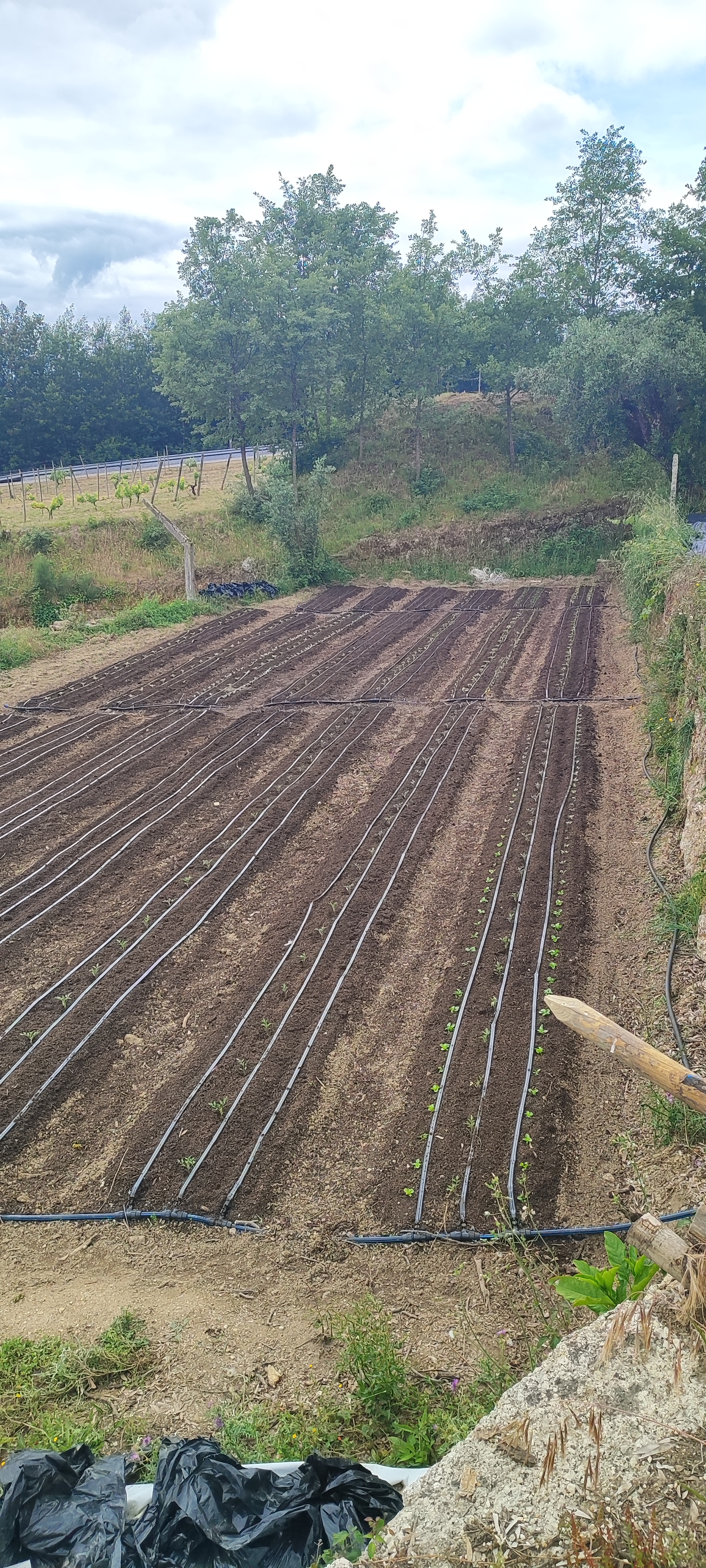
Autumn is the time to sow grains and legumes at home scale, and to protect and feed any bed you are not actively cropping. We cover sowing wheat and other grains, planting overwintering legumes like broad beans, and using cover crops to build fertility, hold the soil through the winter rains, and prepare the ground for spring.
We sow: grains, overwintering legumes, and cover crops for soil and fertility.
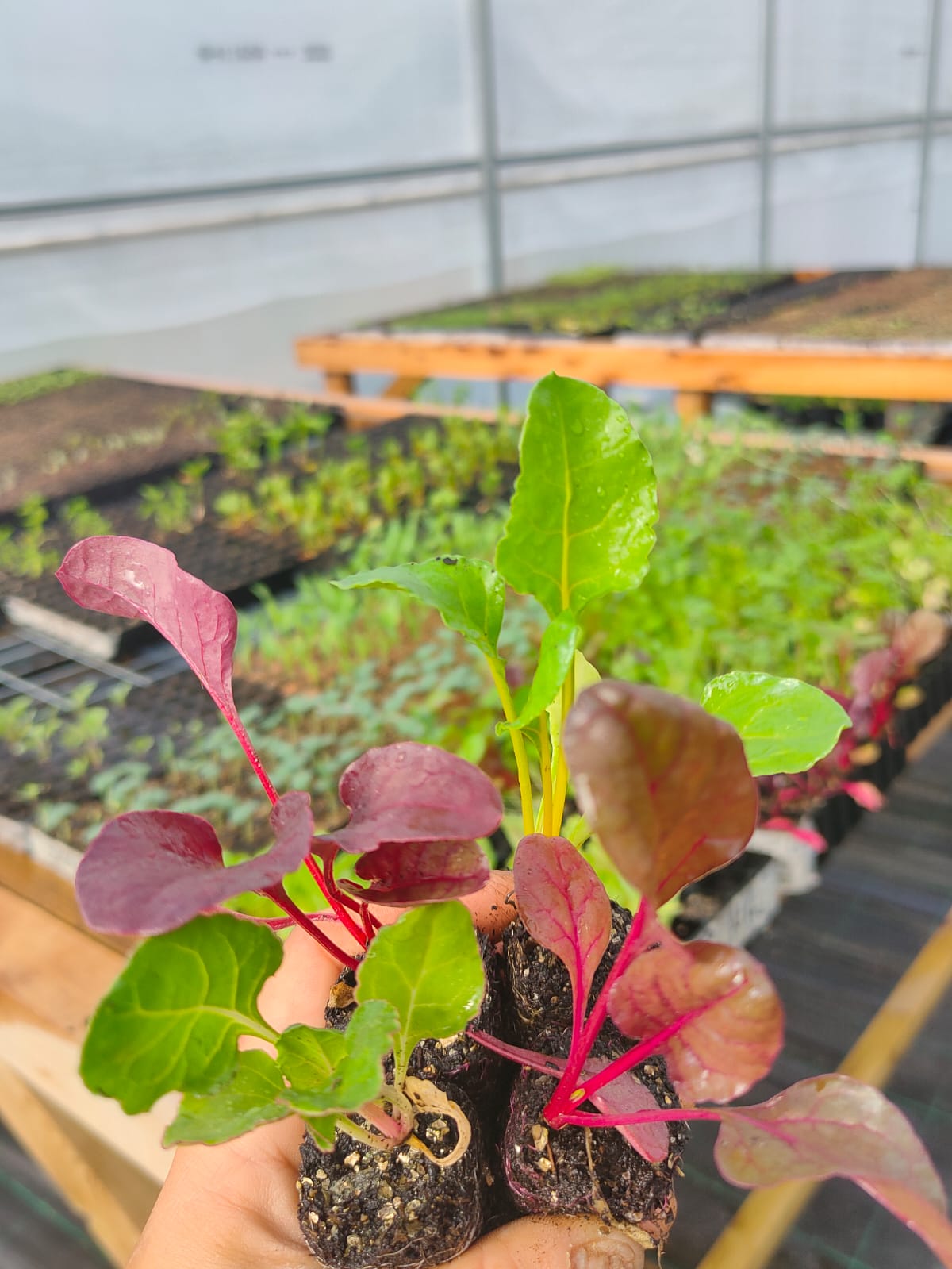
Olive oil is the backbone of the Mediterranean pantry. As our own harvest approaches, we cover the whole picture: how to read the olive and choose the moment to pick, how pressing works and what determines quality, and the principles of caring for olive trees through the year. Understanding oil is understanding the season itself.
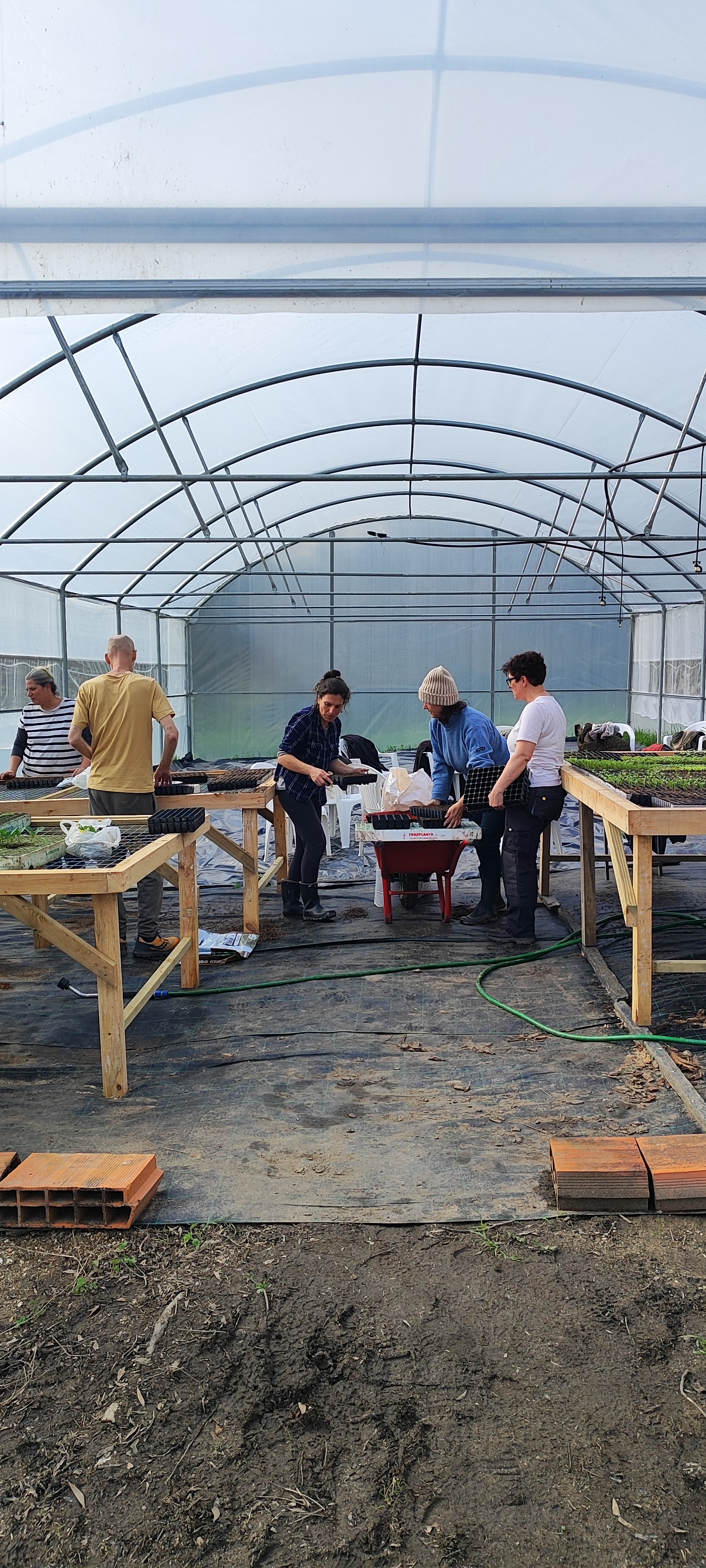
A second preservation session, now working with the autumn harvest. As the beds and trees give their October produce, we build on the first session with more methods: lacto-fermentation, more advanced preserves, and the techniques that turn a glut into a full shelf. Preserving is a rhythm, not a one-off, and we practise it as the season provides.
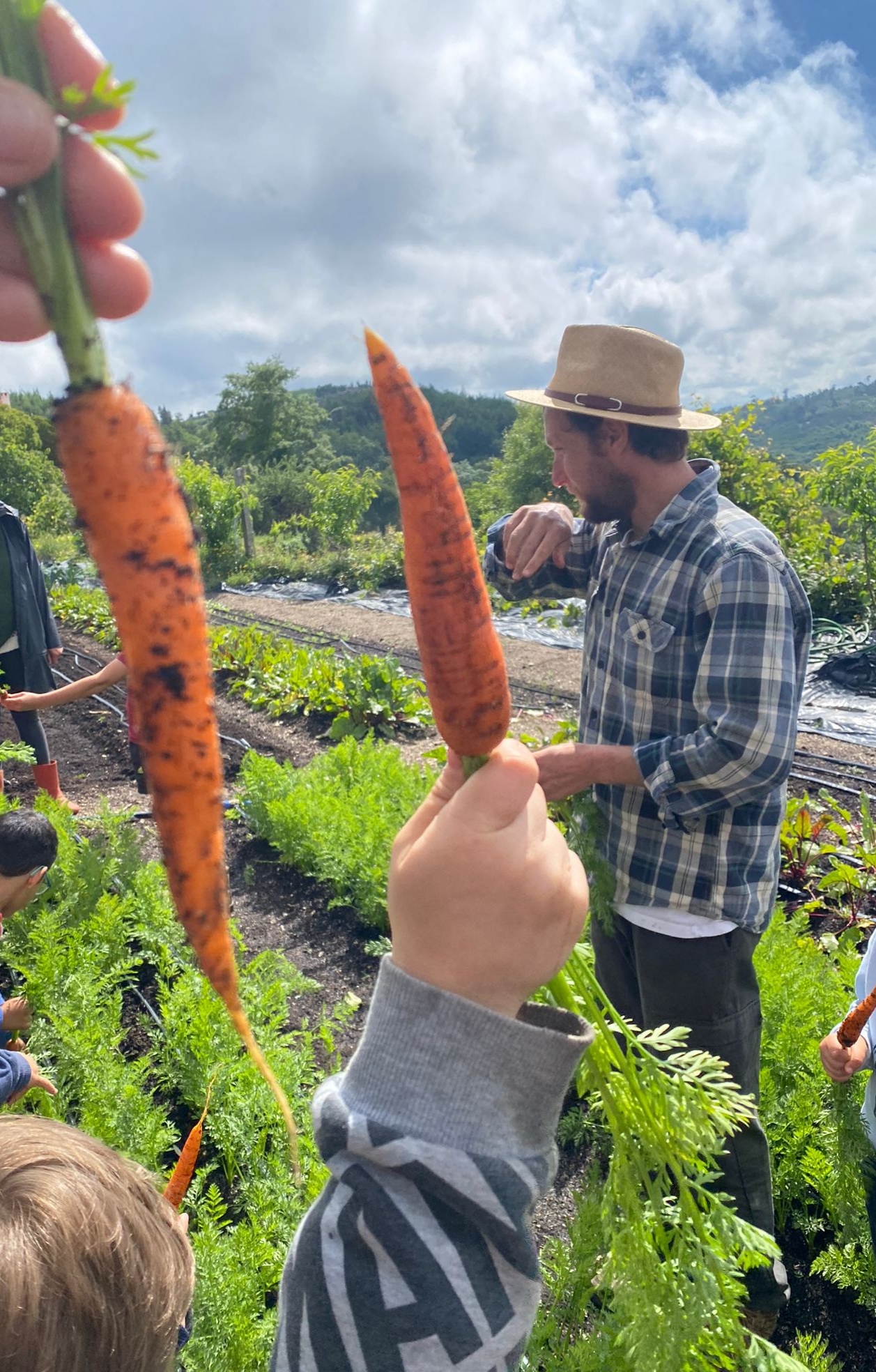
A winter garden needs different care from a summer one. We cover protecting tender crops from cold and frost, managing the winter rains and drainage, staying ahead of winter weeds and pests, and using simple protection like fleece and low tunnels to keep lettuce and herbs going. The crops sown in September are growing now, and this is how you carry them through.
Harvesting through winter: beets, carrots, turnips, cabbage, parsley root, radish, onions, leek, winter spinach, kale. With protection: lettuce, herbs.
Growing the food is half the work; keeping it is the other half. We cover harvesting for storage rather than for the plate, and the methods that need no kitchen: curing onions and garlic, storing roots in sand, keeping crops in the ground as living storage, and building a simple cold store. Done well, a good autumn harvest feeds you long into the new year.
Stored for winter: beets, carrots, turnips, cabbage, potatoes, parsley root, onions. Harvested in spring: garlic.
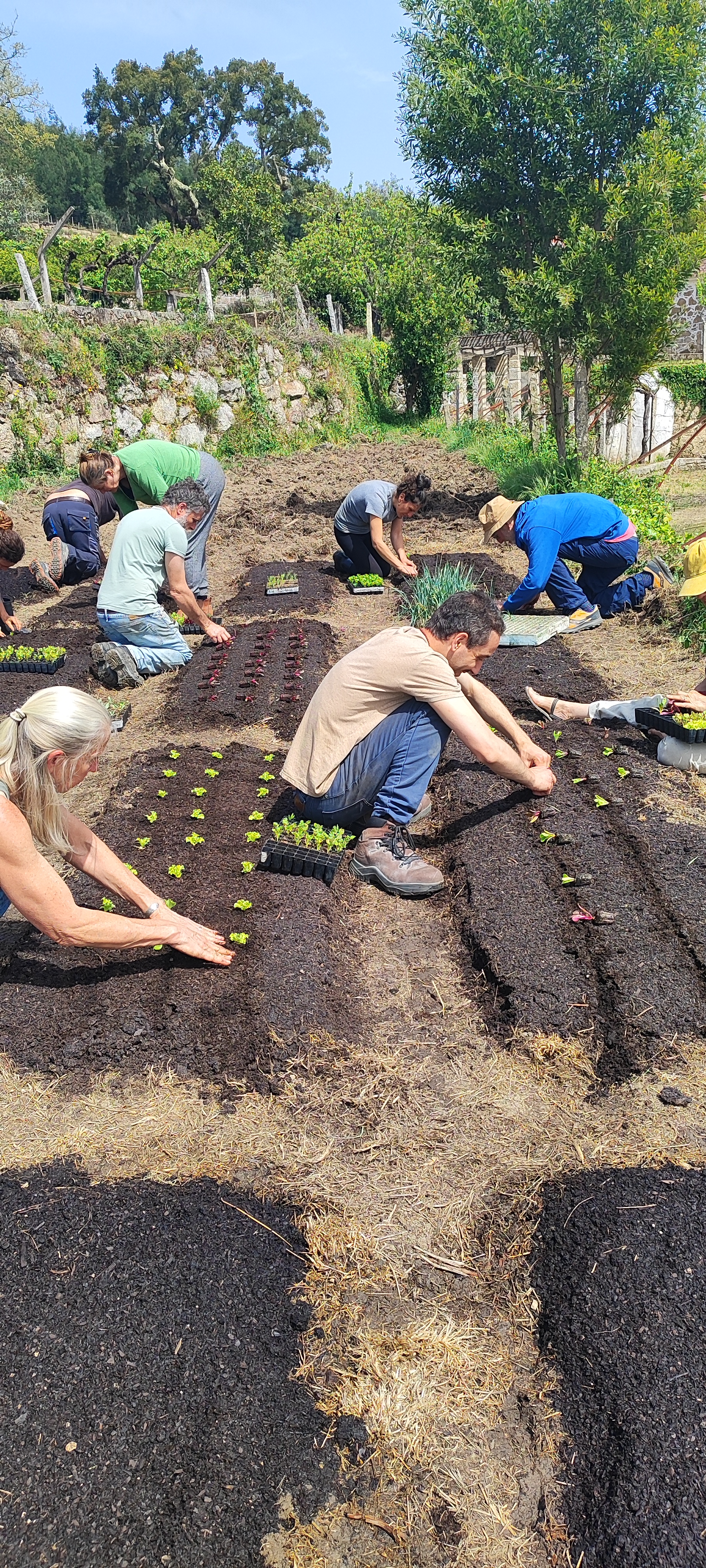
The final session is not a lesson. We gather around a long table and cook together from the garden and the pantry we have built through the season. The beds are planted, the shelves are full, the year ahead is already growing. We eat, we celebrate, and we send you home ready for your own winter garden.
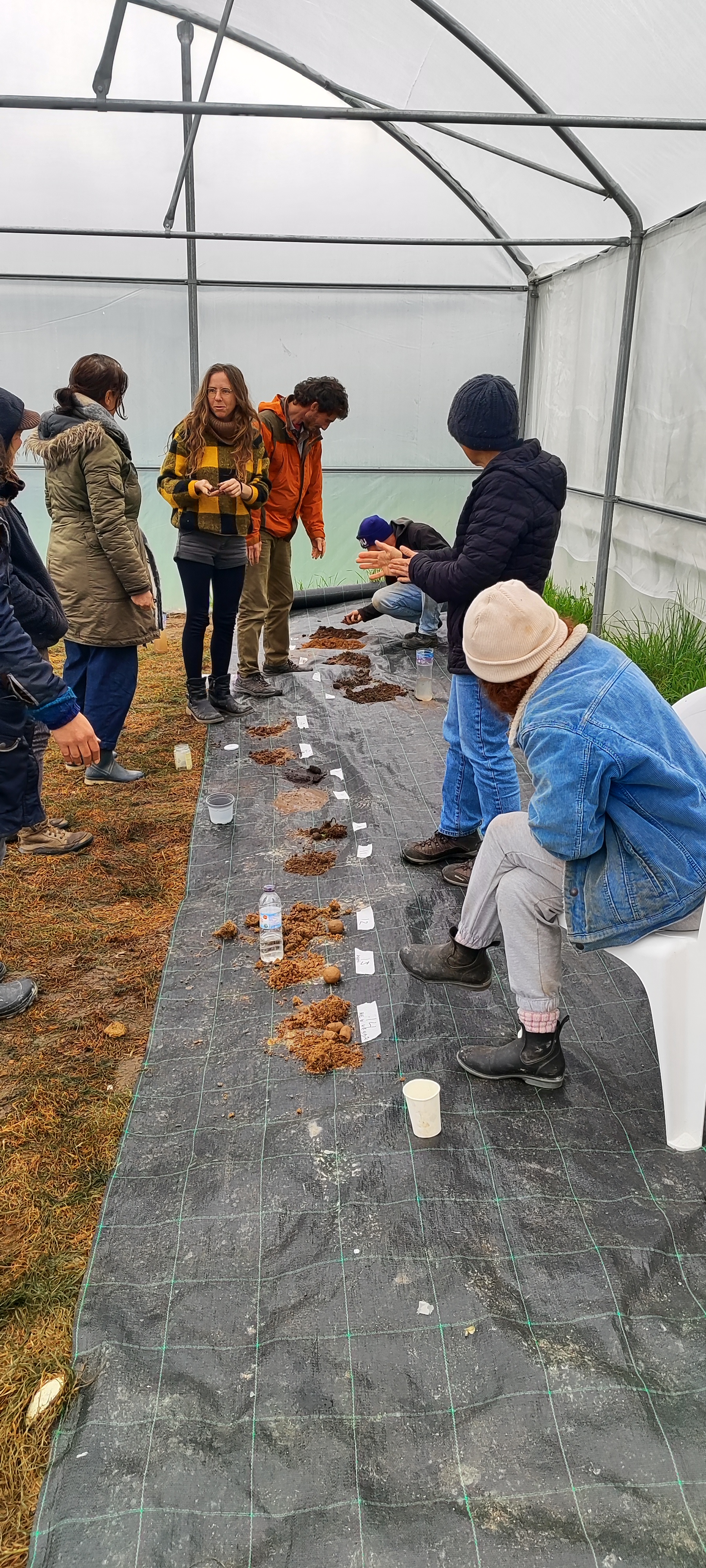
Your guides through
the season
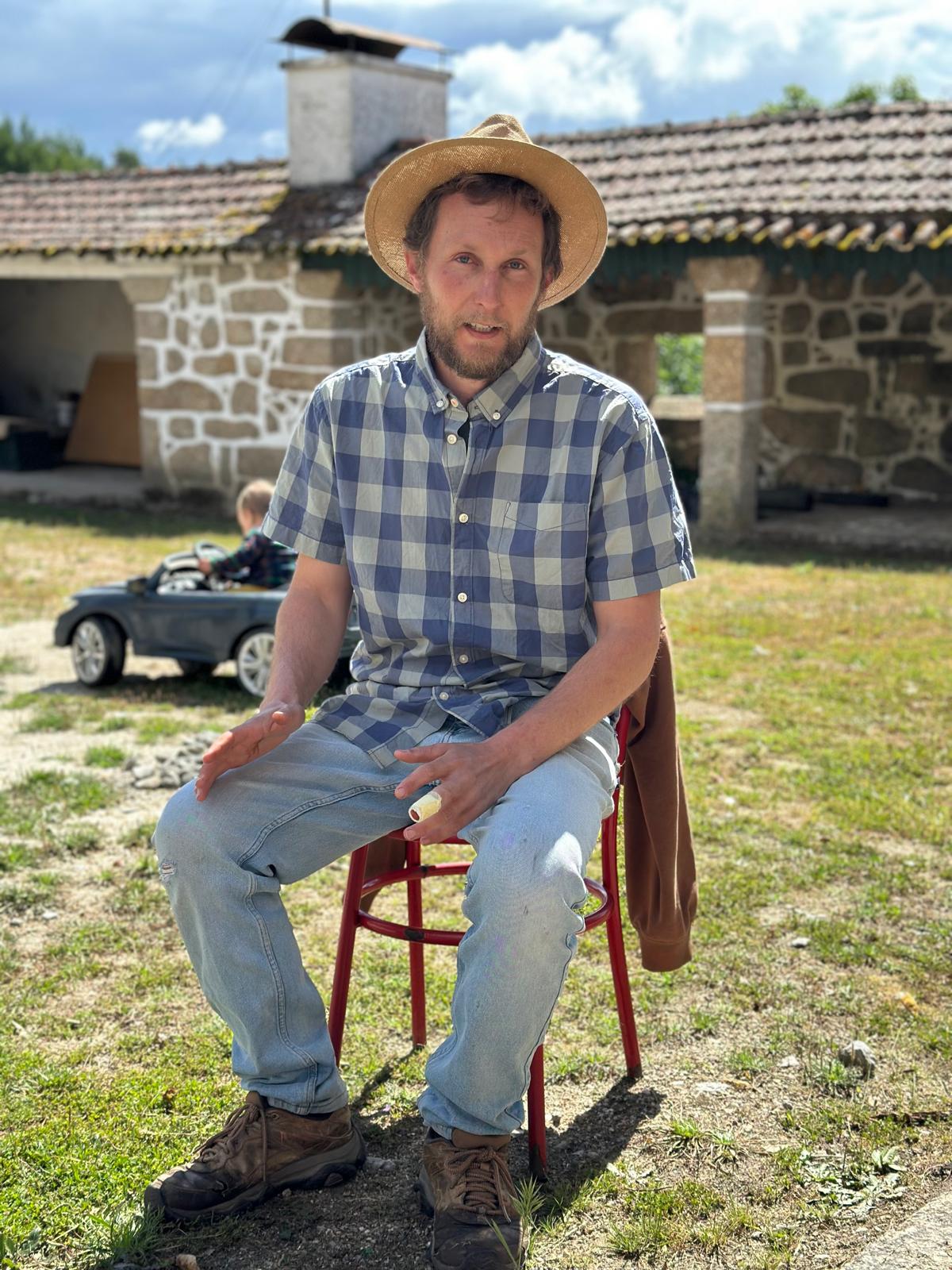
Asaf Mininberg
14 years in sustainable agriculture and food growing. Asaf leads the course and teaches the field sessions: planning, soil, planting, grains, olive oil, maintenance, harvest and storage. His teaching is always rooted in what actually works on the land.
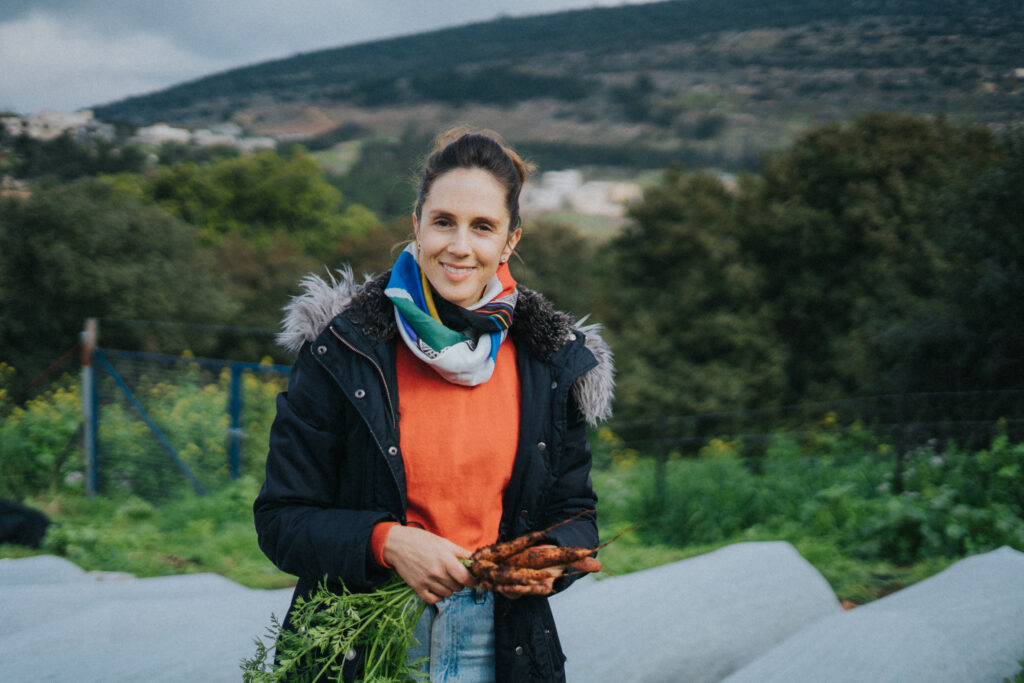
Roni Mininberg
15 years of seasonal cooking and preservation. Roni teaches the preservation sessions, turning the summer and autumn harvest into a full pantry with salt, oil, heat, and fermentation. Everything she teaches, she has cooked and stored herself.
A farm that does
what it teaches
Quinta De São Jacinto is a working farm in the hills of Coimbra district, central Portugal. We grow food here every day, through every season, including the winter one.
The Winter Garden is taught here because this is where it happens. The beds you plant are our beds. The soil you prepare is our soil. The olive trees, the storage, the cover crops: all of it is in production around you as you learn.
- 1/3 acre market garden, producing year-round
- Olive grove, vineyard, fruit orchard
- Winter beds and overwintering crops
- Pasture laying hens and a working preservation kitchen
Beds full,
shelves stocked
Nine Fridays through the turning of the season, and you go home with a winter garden growing and a pantry that will carry you to spring. This seat can be yours.
Take Your SeatCourse Pricing
Reserve your
place in the field
Fill in the form and we will be in touch to confirm your spot and arrange payment. Course begins September 4, 2026.
Every Friday, 9:00 – 14:30
Limited to 21 participants
After submitting, we will send you payment details by email or WhatsApp to complete your registration. Payment by bank transfer or credit card.
Common Questions
This winter, eat from
a garden you planted
Nine Fridays through the turning of the season. The skills to grow and store food through the cold months, in your hands. We would love to have you with us.
Reserve Your Spot